

This article summarizes the article “Integrative Treatment of Obstructive Sleep Apnea: Principles and Practice” and shows how collaboration across specialties can expand the frontiers of airway-focused clinicians seeking who want to address the underlying physiology of OSA.
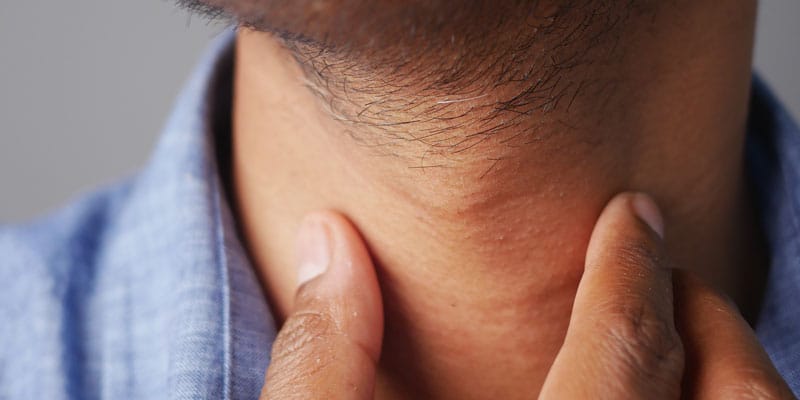
A summary of the article “Integrative Treatment of Obstructive Sleep Apnea: Principles and Practice” by Drs. G. Dave Singh and Jamila Battle, published in the Journal of Clinical Sleep Medicine (Vol. 21, No. 9, 2025)
by Jamila Battle, MD
Introduction: Extending the Integrative Model
In the article titled “Integrative Treatment of Obstructive Sleep Apnea: Principles and Practice” in the Journal of Clinical Sleep Medicine, my co-author Dr. G. Dave Singh and I emphasized a core idea: effective management of OSA requires collaboration across specialties — medical, dental, and behavioral. As the field advances, that same integrative model continues to shape the development of emerging therapies.
One promising innovation aligned with this philosophy is pharyngeal biostimulation — a nonsurgical, non-pharmacologic approach designed to enhance upper airway muscle tone through targeted daytime stimulation. This therapy represents the next frontier for airway-focused clinicians seeking to address the underlying physiology of OSA rather than relying solely on nighttime mechanical support.
Background: The Rationale for Biostimulation
OSA is a heterogeneous disorder. While some patients present with obesity-driven airway collapse, others exhibit neuromuscular weakness or craniofacial limitations. This variability explains why a “one-size-fits-all” model — such as CPAP alone — often falls short in real-world adherence and outcomes.
Pharyngeal biostimulation seeks to address one of these root contributors: reduced neuromuscular tone of the upper airway. By retraining airway dilator muscles during waking hours, it may be possible to reduce collapsibility during sleep — analogous to physiotherapy for the pharyngeal muscles.
Summary of the Singh and Battle Study
To explore this concept, Singh and Battle conducted a pilot study evaluating non-invasive daytime biostimulation in adults with OSA. Three participants (two men and one woman, ages 37–62) completed approximately 2 months of treatment.
Protocol highlights:
-
- Device: A handheld extraoral stimulator applied beneath the chin in the submandibular region.
- Schedule: 15–20 minutes per day, seven days per week
- Duration: 8 weeks
- Measurements:
- Distance from skin to tongue base (DST)
- Cross-sectional area (CSA) of the retroglossal airway
- Sleep indices: Apnea-Hypopnea Index (AHI), Oxygen Desaturation Index (ODI), and oxygen saturation (SpO2).
Findings
Following 2 months of regular use:
-
- DST increased by roughly 1.6 cm, suggesting caudal traction.
- CSA increased by about 1.8 cm², implying greater airway patency.
- AHI improved modestly (from 39 to 34 events/hour).
- ODI decreased (from 37 to approximately 32).
- Mean SpO2 improved from 95% to 97%.
While preliminary, these findings demonstrate early physiological and structural benefits that may translate into functional improvement.
Implications for Dental Professionals
Dentists have long been on the front lines of airway health. Routine oral evaluations reveal craniofacial features often linked to sleep-disordered breathing — narrow palates, retrognathia, and restricted tongue posture. Pharyngeal biostimulation aligns naturally with this airway-aware lens.
For the dental community, this technology offers a potential adjunct to mandibular advancement therapy, orthodontic expansion, or myofunctional rehabilitation. The focus shifts from passive mechanical correction to active neuromuscular training — an exciting paradigm for functional dentistry.
Still, this therapy is not a replacement for comprehensive medical assessment. Its role is most powerful when integrated within an interdisciplinary team.
Role of the Sleep Medicine Physician
Sleep medicine specialists remain the cornerstone of care. Their responsibilities include:
- Conducting the initial consultation and symptom review.
- Determining medical necessity for diagnostic testing.
- Confirming OSA severity and identifying phenotypic contributors.
- Evaluating and treating other sleep disorders.
- Coordinating medical management of comorbidities and follow-up evaluation.
Role of Behavioral Health and CBT-I
Equally vital in an integrative care model is the behavioral health perspective. Cognitive Behavioral Therapy for Insomnia (CBT-I) remains the gold-standard, evidence-based approach for addressing the behavioral and psychological contributors to poor sleep. Incorporating CBT-I within OSA management helps patients overcome insomnia, improve adherence to PAP or oral appliance therapy, and reinforce healthy sleep behaviors — bridging the gap between physiology and behavior.
Looking Ahead
The Singh and Battle pilot was intentionally small, designed to test feasibility and generate hypotheses. Larger randomized controlled trials are now needed to determine long-term efficacy, optimal treatment parameters, and phenotype-specific responses.
If validated, pharyngeal biostimulation could represent a significant step forward in daytime adjunctive care for OSA — especially for patients who struggle with CPAP or who seek multimodal, non-invasive solutions.
Conclusion
Pharyngeal biostimulation exemplifies the integrative philosophy first outlined in “Integrative Treatment of Obstructive Sleep Apnea: Principles and Practice” — collaboration between medical and dental professionals to deliver individualized, physiologic, and patient-centered care.
As evidence grows, airway-focused dentists and sleep physicians together can lead a new era of treatment — one that combines innovation, accessibility, and the shared goal of restoring restorative sleep without unnecessary invasiveness.
Collaboration across specialties on airway, sleep, and breathing issues is growing. Read more about how to get started in “LIAISONS: Moving Collaborative Care from Idea to Reality,” here: https://dentalsleeppractice.com/liaisons-moving-collaborative-care-from-idea-to-reality/